Principles of Sustainability
Chapter 4 - The Built Environment
Overview
This Chapter of the course will examine sustainability in the built environment. This will first be done first at the individual and household level (e.g. water use in a household). The concepts and practice of green building will be discussed. Past, present and future developments in urban transportation will be examined. The issue of environmental sustainability (air, water, soil) will be explored in detail. A systems analysis of sustainable environments and the efforts of parallel public processes involving groups of people will be used to illustrate the dimensional modes of sustainability in this context. Students will analyze sustainability in public administration and urban life; in public health; in education; in commerce; as well as sustainability in energy consumption and land use in the urban space.
Chapter Parts
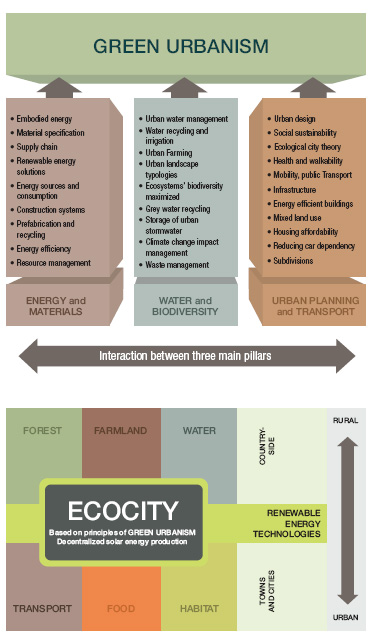
- Part 1 - Green Urbanism
- Part 2 - Community Sustainability (16:54)
- Part 3 - Green Building (20:25)
- Part 4 - The Urbanization of Poverty and Slums: Challenges for Sustainability (21:53)
- Part 5 - Urban Heat Island Effect
- Part 6 - Sustainable Transportation I (17:16)
- Part 7 - Sustainable Transportation II (15:45)



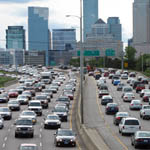
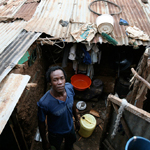 Cities are focal centers for sustainability. The world's future is an urban future. The majority of global future population growth will occur in urban areas, and the infrastructure to support this growth in many developing areas is limited. This can result in the acceleration of unstable housing developments called slums, shanty-towns, squatter communities, and illegal or informal settlements. These areas are manifestations of urban poverty, and they are common in many rapidly growing urban centers around the globe. These areas typically lack basic services such as water and sanitation leading to poor health, disease, and higher rates of mortality and morbidity. The informal economies and lack of community services such as education and health care contribute to a chronically challenging life for those living in these high-density living areas.